
Luck Surface Area
An explanation of a once-in-a-lifetime experience

On a Thursday night in London I took myself out to Shakespeare’s Globe to see A Midsummer Night’s Dream.
I’d seen it at that same theatre 7 years earlier, when I was 22 and travelling alone for the first time.
This trip came about as a result of a vision I’d had of spending my 29th birthday atop the Eiffel Tower. I decided about 8 months before my birthday that I just had to do that, and built a trip to London and a small town in France around this singular image of nighttime Paris sparkling around me as my 29th year on the planet elapsed and my 30th year on the planet begun.
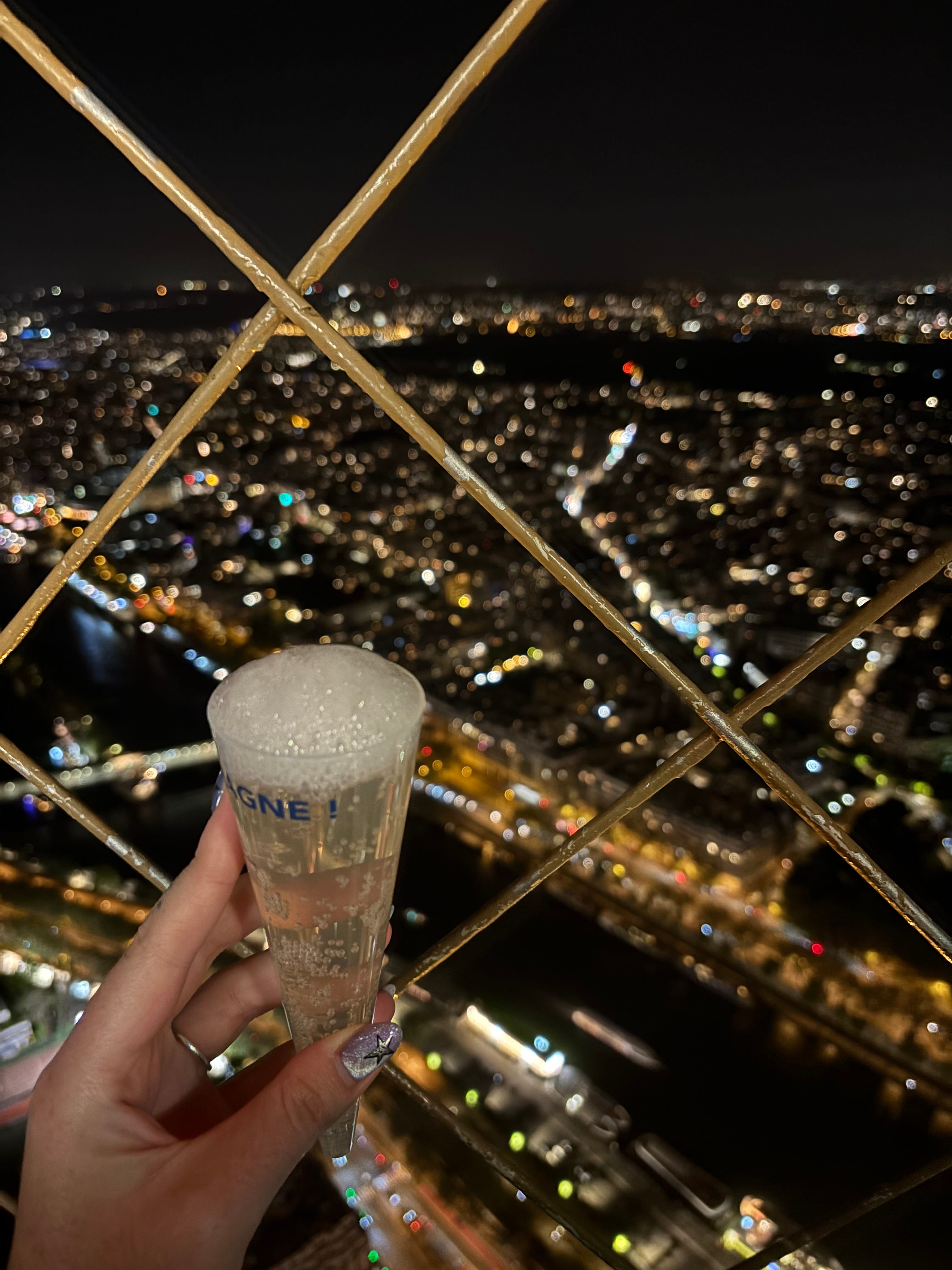
I did make it to the Eiffel Tower on my birthday, and I did buy the overpriced champagne flute they sell you when you’re up there and have no other choice, and I did look out at Paris around me and felt proud for deciding to do something and making it happen.
A Midsummer Night’s Dream is my first favourite Shakespeare. It was the first story and world of his that made me want to work in theatre. Back in 2015 when I started university I heard that the drama society were doing a production of it and excitedly pitched myself as the designer, with big dreams of tweed and florals and dirty natural textures. I was enlisted as the assistant designer, until the designer quit (or was made to quit? It was never quite clear to me) and I was promoted. I was thrilled, until the director shared with me the dreaded word he had in mind for the design:
Minimalist.
It didn’t thrill me, and the eventual design a then 18 year old Jess pulled off was unremarkable, but I did spend time with the text I loved, and met one of my very best friends in the process.
In 2019, London was the first stop in a 6 week trip through Paris, Milan, Venice, Florence, Rome, Naples, and Athens. It was my first time travelling alone, my first time in these cities I’d wanted to see all my life, and I was extremely overwhelmed and spent most of that trip doing touristy things and confronting my inner voice for an extended period of time.
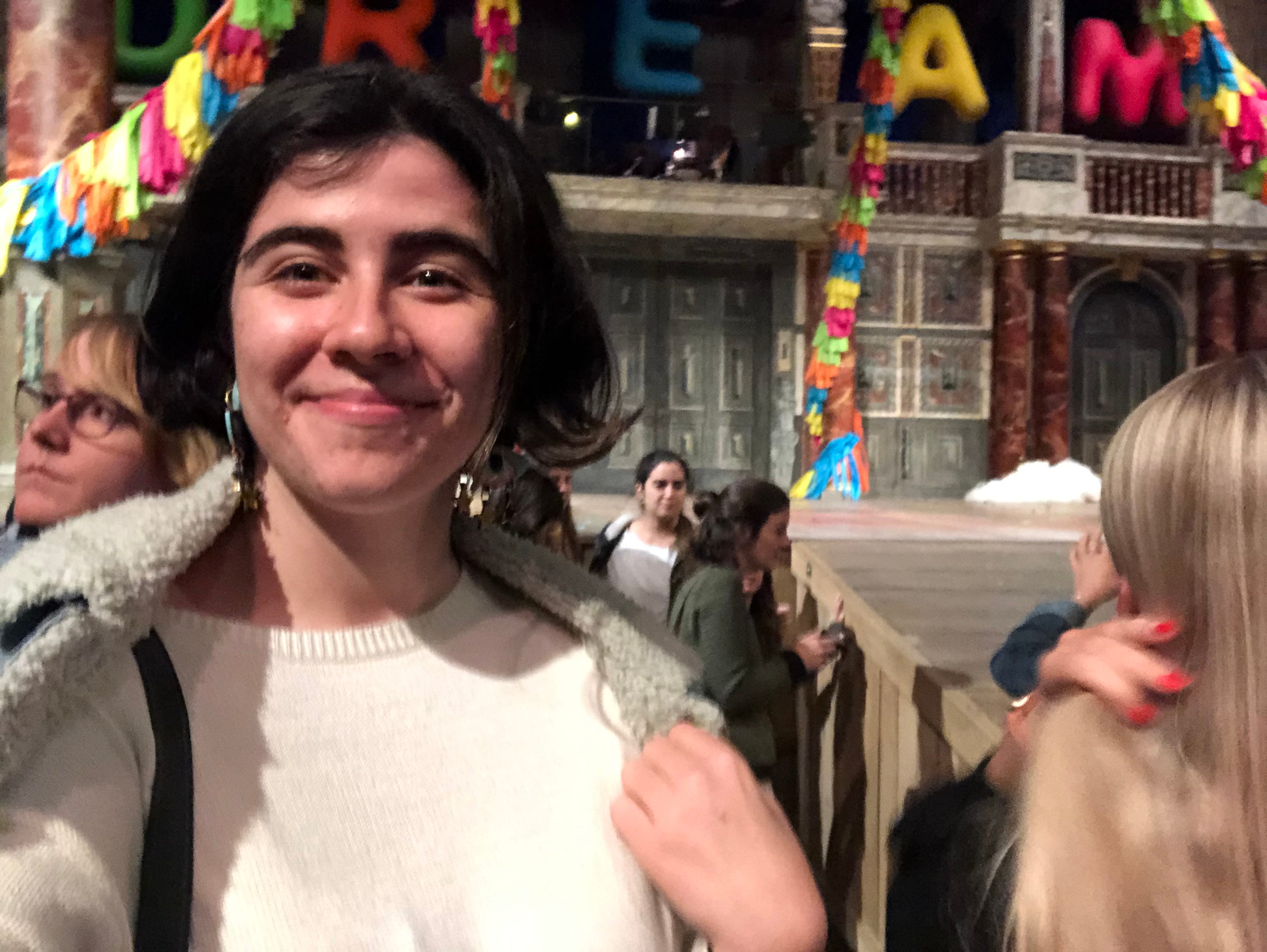
I don’t remember too much about that production of Midsummer, I’m sure I enjoyed it because I took a selfie at the end of it and look pretty happy:
But that trip was more about getting good with myself, confronting some lifelong insecurities and self image issues, and I came back liking myself more than I had before.
A lot has happened since 2019.
At the tail end of that trip the word “COVID” was a whisper on the wind, and by February 2020 it was a full blown shout across the world.
I was working a retail job that I really loved, and when stores shut down I was kept employed working from home.
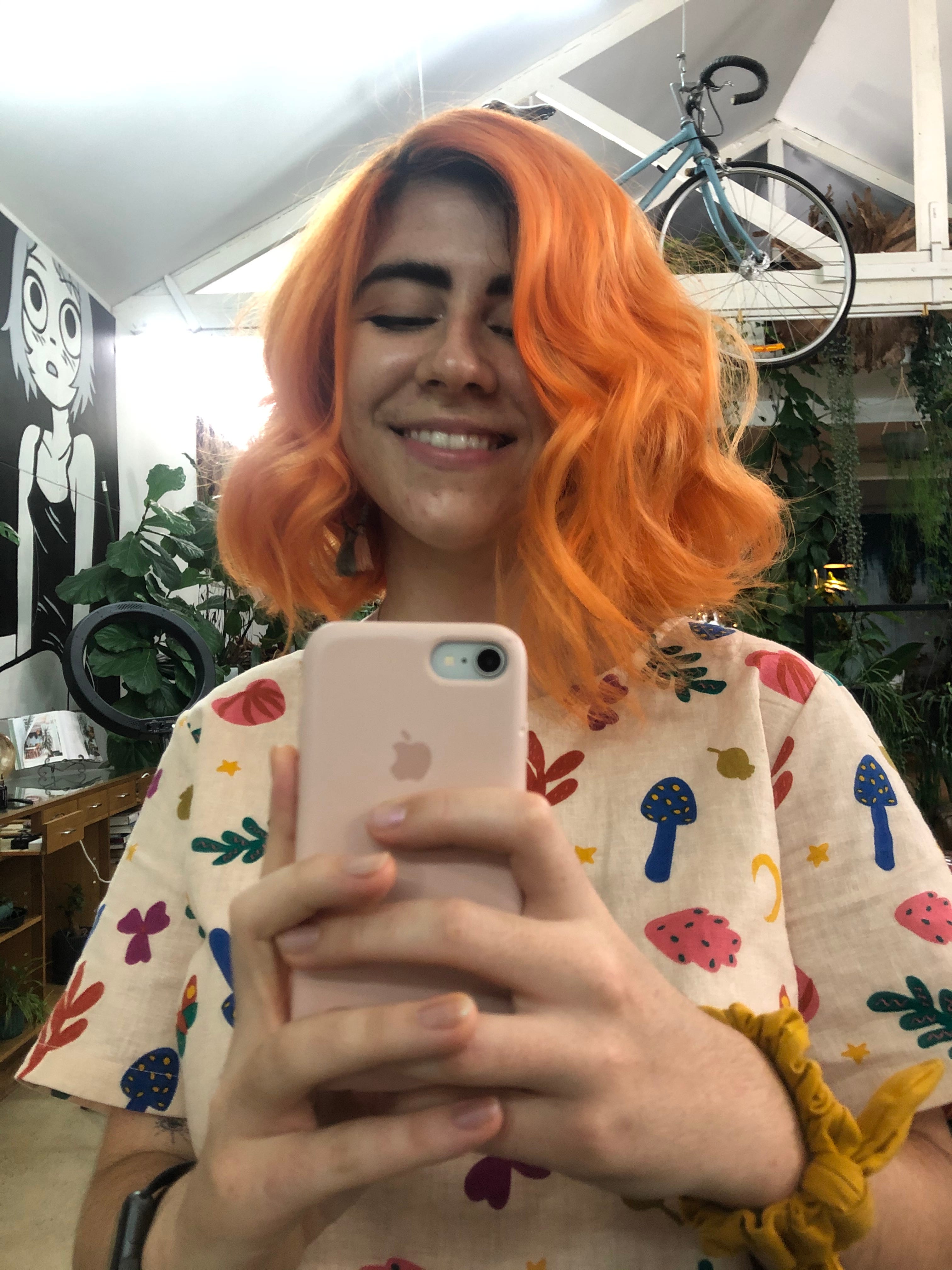
I dyed my hair orange, which was the first of many instances to come where I’d dye my hair to feel like I had some control over my life:
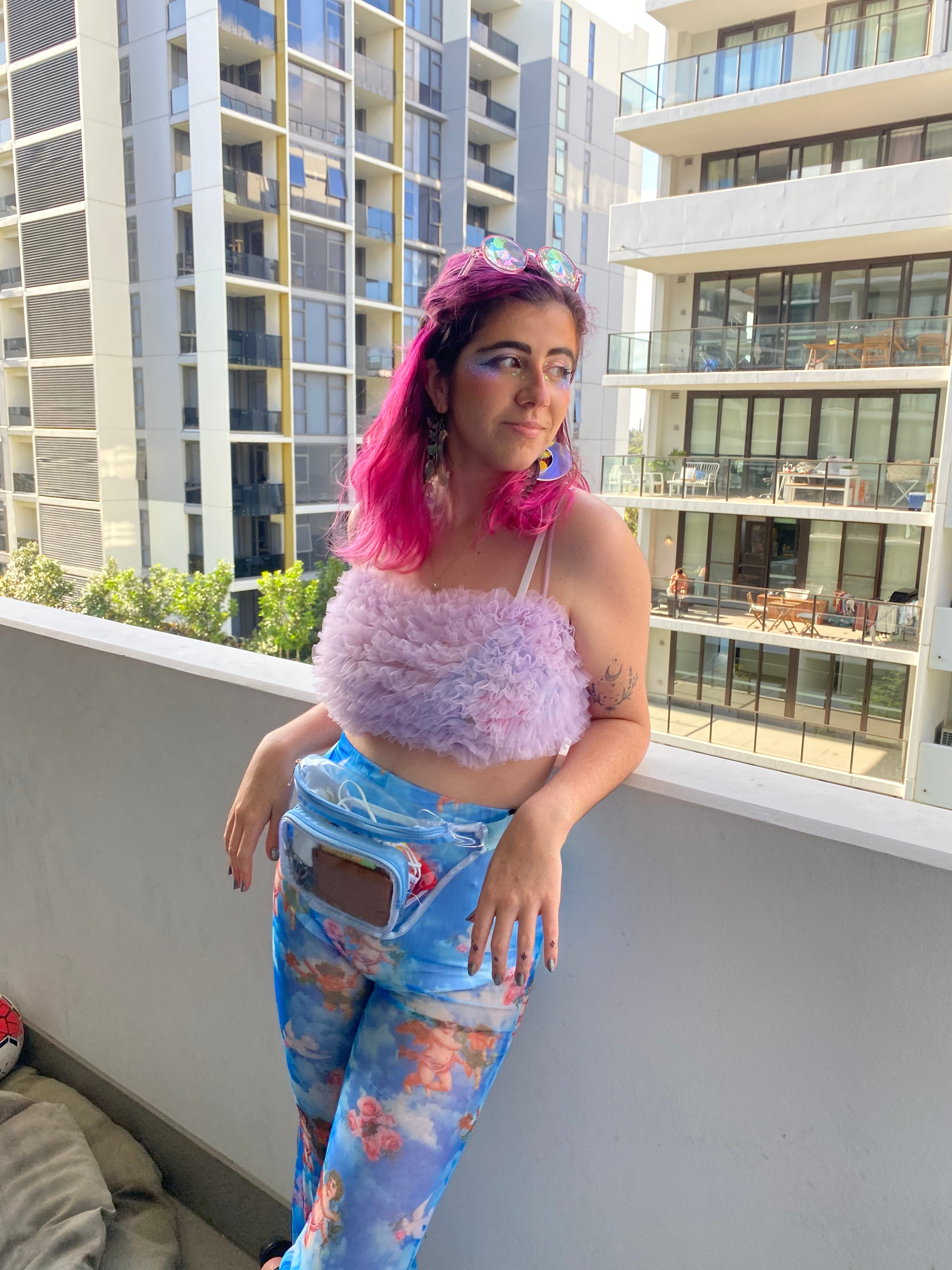
When restrictions lifted I went back in to work at the store, while also producing a short film for a friend. I also took up roller skating (this was such a COVID trend), and in November of 2020 I moved out of home, more than a full year after my trip. 2021 featured another lockdown, the start of my first longterm relationship, and another change-of-hair-colour-as-antidote-to-lack-of-control:
In 2022 my friend Margaret asked me to Assistant Direct her show.
I hadn’t done theatre since 2019, pre my trip to London. Between my job and lockdowns, theatre had ebbed in my life. I think right before my trip I’d made a vow to not do theatre again for some time: up until that point I’d been doing something like 5 shows a year as a student, between the drama society, sketch comedy, and independent productions, and I was very burnt out and physically exhausted.
So I said yes to Margaret, because I was ready to do it again.
In August 2022 we put on the show at Flight Path Theatre, which involved a cast of 12, and my proudest feat of engineering to date: creating bathroom stalls out of pipes, corflute, and filing cabinets.
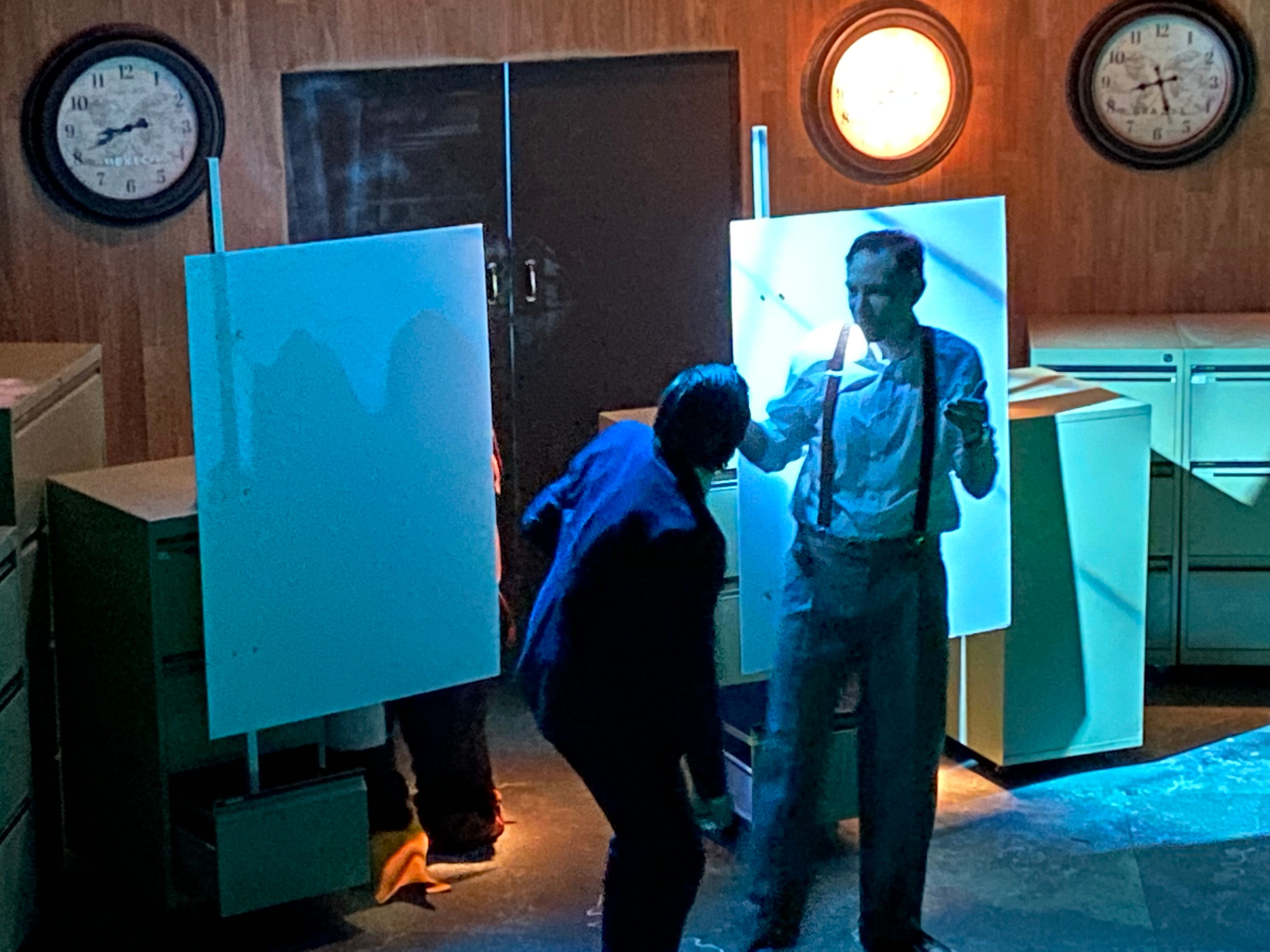
We bumped in the show the week that I moved houses, so I spent a lot of those final weeks leading up to the show painting props amidst moving boxes:
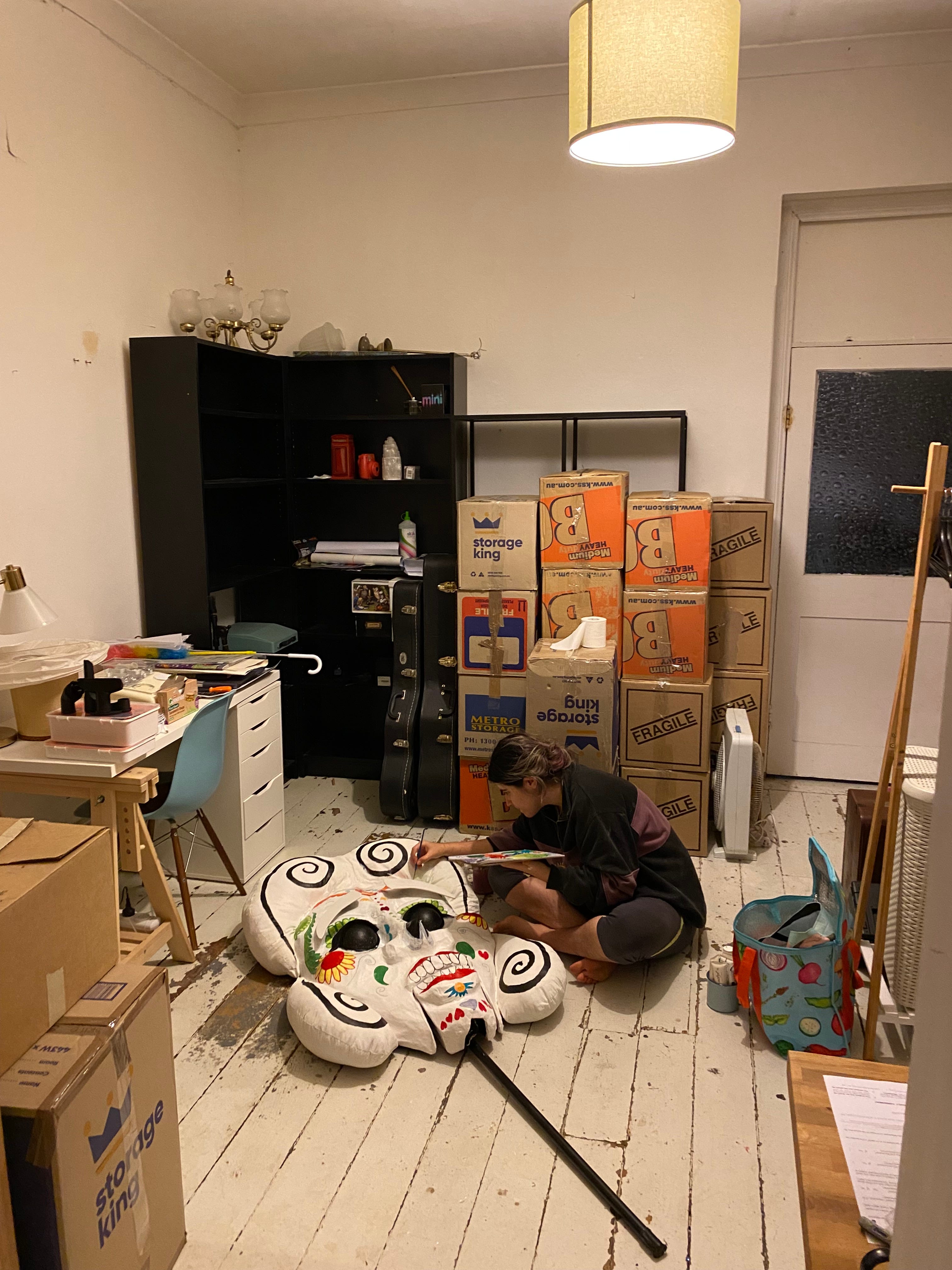
It was chaotic, it was stressful, and it was everything I’d been missing. So I threw myself back into theatre wholeheartedly.
In 2023 I did two more shows (one as set designer and one as assistant director). I used up annual leave at my retail job that had sat largely untouched since my trip in 2019. My bosses understood that taking leave to work on theatre was feeding my soul, and progressing my creative career.
But the more theatre I did the more I wanted that to be my career. I was finding my job increasingly difficult to care about, and so in late 2023 I quit my steady, full time job that had kept me employed through COVID, through lockdowns, for over 5 years, and I took an 8 week contract at a theatre company selling season tickets.
Maybe if my bosses at my retail job had agreed when I’d asked to take those 8 weeks as unpaid leave I wouldn’t have taken the risk. But they had denied the request, asking me if that sort of thing was going to be good for my career. What I didn’t say at the time was that theatre was my career, and that clarity gave me the push to cut myself away from the web of security they’d built for me.
That 8 week casual job did turn into a part time job, and then a full time job, and by April 2024 I was working full time in theatre for the first time in my life. It was theatre administration, but it was closer than I’d ever been before to being in the industry I needed to be in.
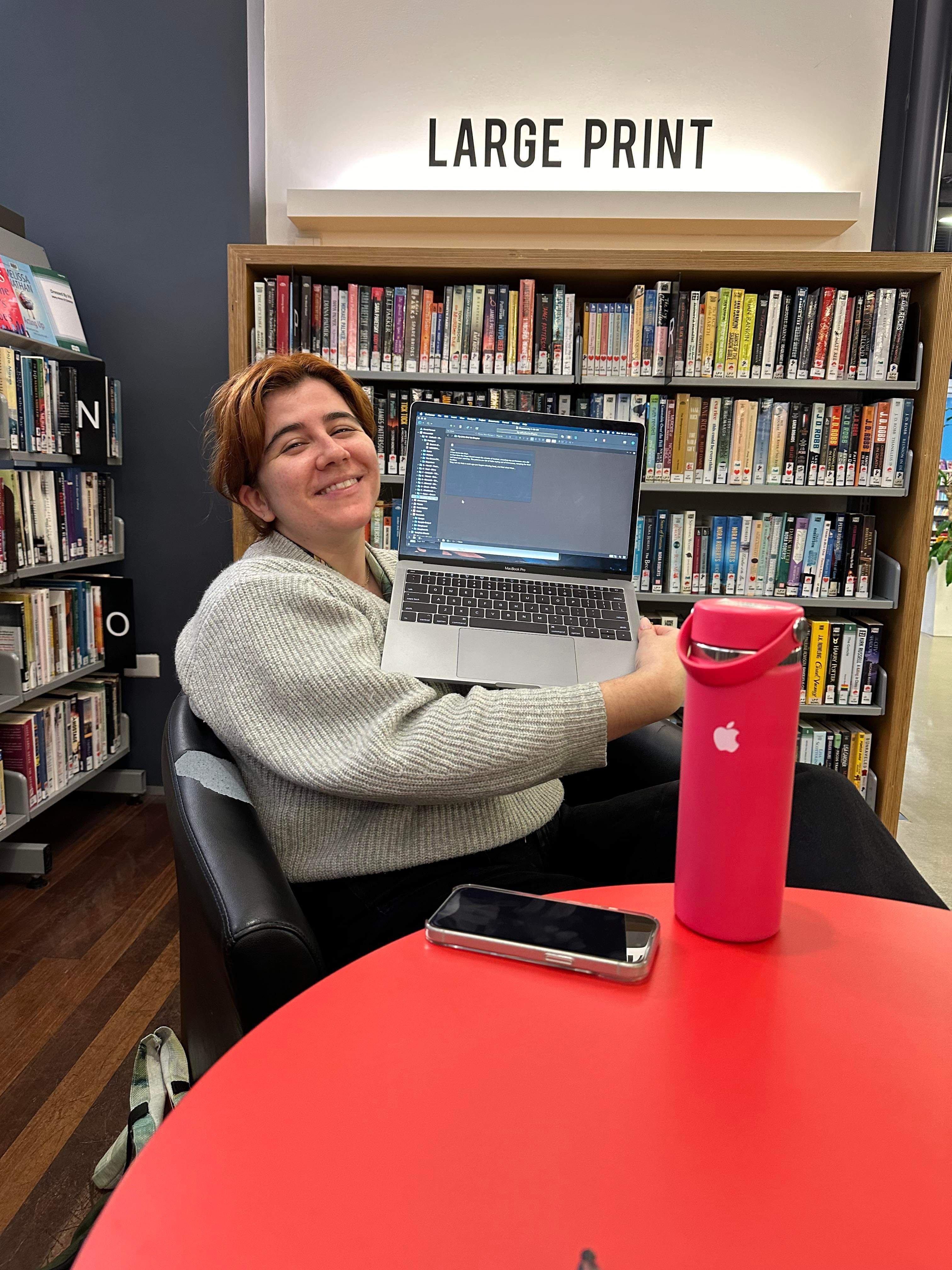
In 2024 I did two shows, one as associate director and another as dramaturg/set designer. I also did a residency in a lighthouse in Newcastle where I worked on my romantasy novel for a week. I finished the first draft of the novel a month later:
In 2025 I did five and a half shows. It was a massive year and I’ve written about it on Substack in more detail. What this year did for me was make it really clear that I need to make creative work to be fulfilled. I exposed myself to a lot of opportunities for rejection, including creatively/professionally.

I applied for fellowships, writer’s programs, literary positions, and kept putting myself out there to get my work seen.
And at the end of the year I lost my job:
And so I started 2026 feeling like a lot of my progress in my career had been lost. I was feeling pretty heartbroken by theatre: I’d risked so much to be in the theatre industry, had put myself out there repeatedly to get my work made and seen, had helped many other people get their work made, and I was approaching my 29th birthday feeling like I didn’t have a lot to show for it.
But back to the Globe.
Thursday night, London, the final week of a month away from Sydney.
I’ve spent every day in London seeing theatre. I have tube-d my way all over the city, from Brixton to Wembley, and I have loved spending time around the Theatre District, because it’s magical to walk around the block to get to the next theatre.
I’ve already seen two shows at the Globe this time around, both in the Sam Wanamaker Playhouse (the indoor candle-lit theatre at Shakespeare’s Globe), and I’m excited to see one in the proper outdoor Globe Theatre.
It’s cold enough to warrant wearing gloves, as I find a spot in the yard to watch A Midsummer Night’s Dream. Though it was my first favourite, it’s no longer my favourite as I’ve been exposed to and worked on more of Shakespeare’s canon in the 7 years since I was last here.
Before the show even begins it becomes immediately obvious that audience participation is a major element of this production.
On the stage there’s a sign that reads ‘Auditions’, and actors are roaming the yard talking to audience members and pulling them up on stage to perform small dance routines and read famous Shakespearean soliloquies.
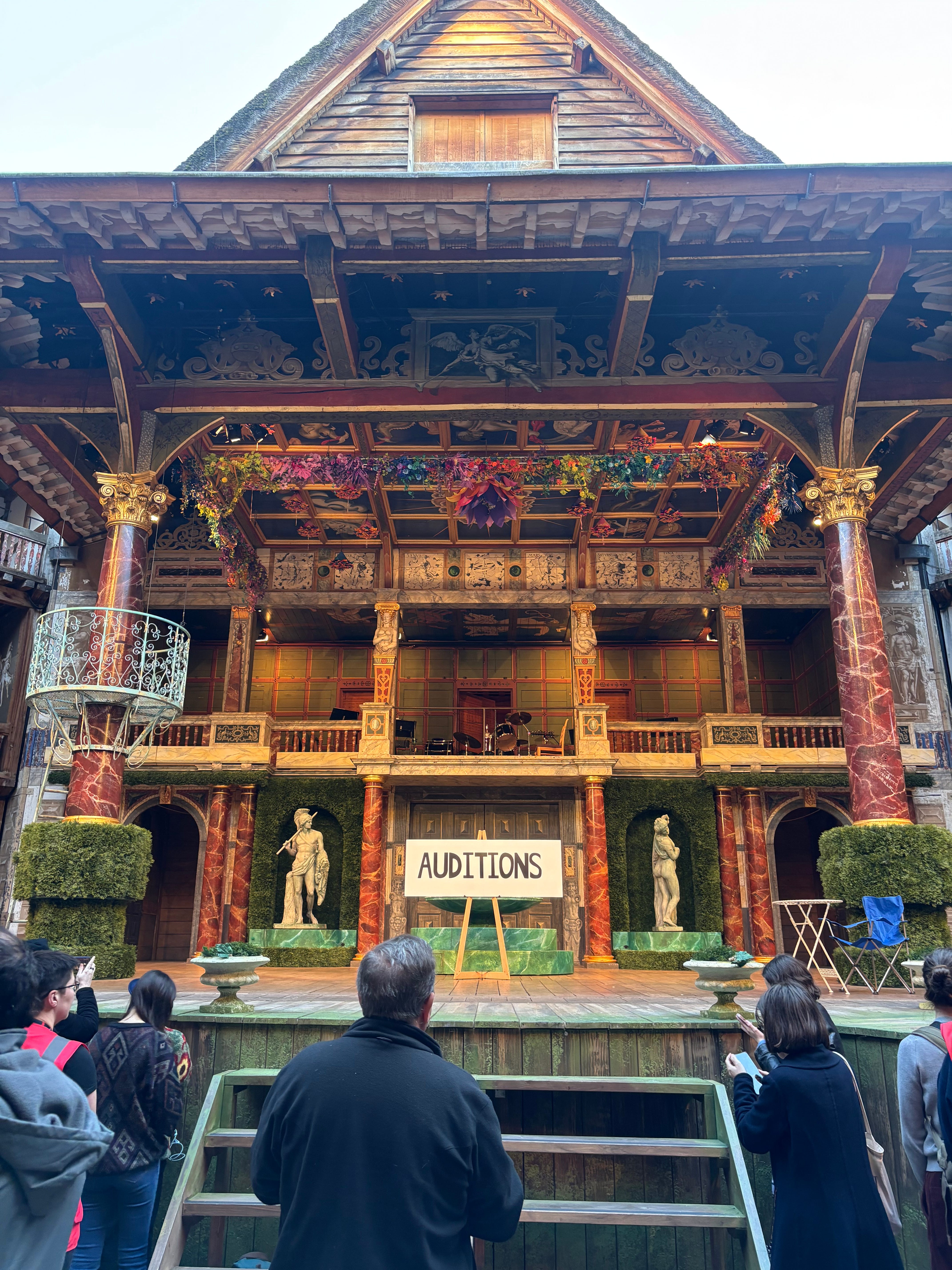
In the yard, an actor carrying a clipboard approaches me. They tell me they’re casting for a show (which I know to be the play within a play in the last act), and that they like my hair (which is dyed half blonde now).
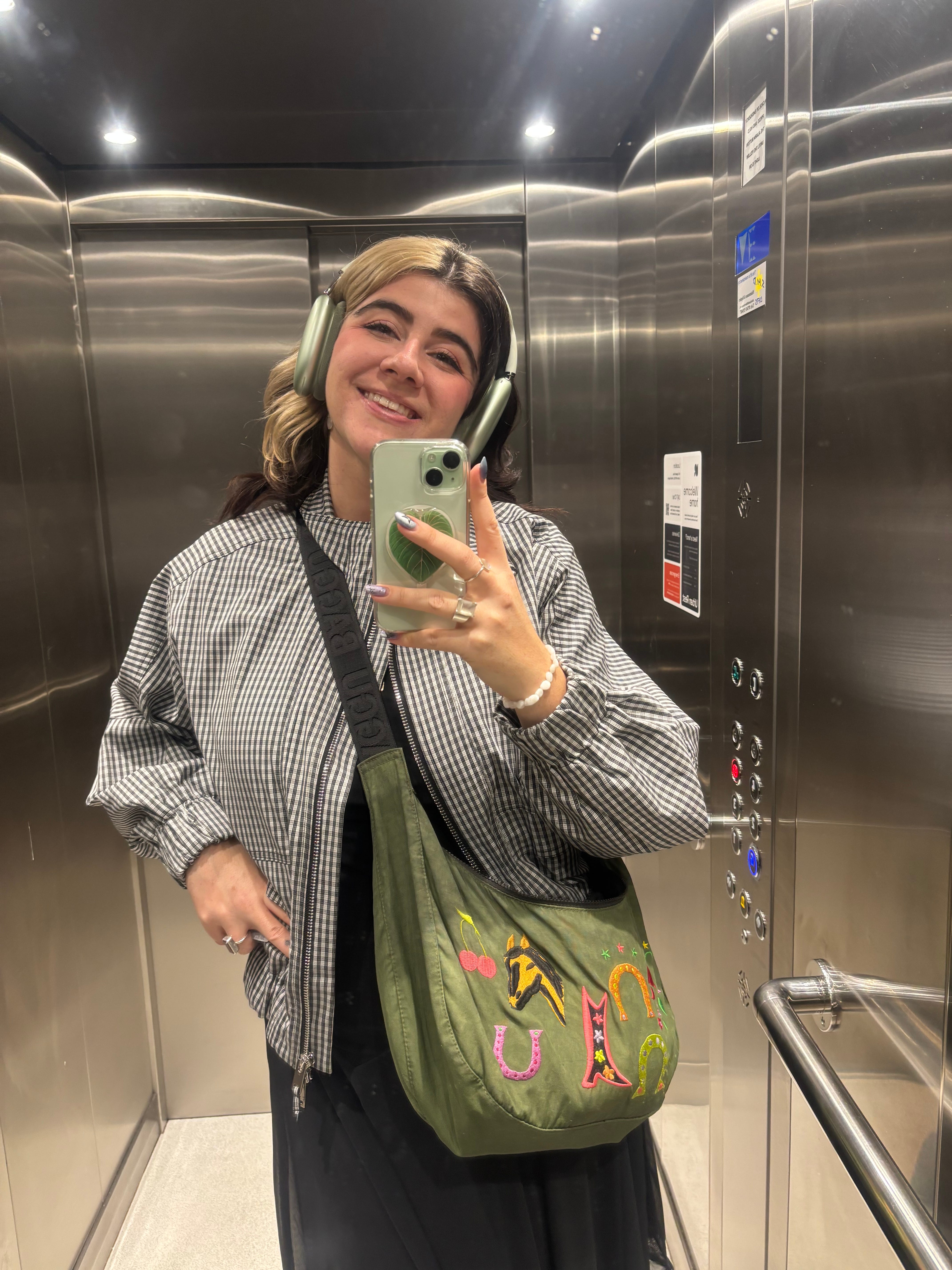
They ask me an OHS question: do I think I can safely make it up the stairs from the yard onto the stage, and I tell them yes. They ask me my name, and where I’m from, and I tell them I’m Jess from Sydney.
They write this down, then tell me,
“Don’t call us, we’ll call you.”
In Scene 2 of Midsummer the Mechanicals (labourers who meet up to rehearse a play to present to the duke and duchess) convene in the woods to allocate their parts in the play within the play.
Per the script, Bottom is cast as Pyramus, Flute as Thisbe, Starveling as Thisbe’s mother, and Snout as Pyramus’ father. But here is where things go off script.
Peter Quince (the one allocating parts), calls out for “Scott from Ohio”. And from the yard an audience member raises their hand. Quince tells Scott from Ohio that he will play the Moon. Quince goes on to call out for other people from other places, allocating them parts, until they get to “Jess from Sydney.” I raise my hand, the actors (and audience) all look at me, and I’m allocated the part of Ninus’ Tomb.
It’s a very fun bit, that gets a good deal of laughter, and then the play moves on.
I think to myself that perhaps that’s it, and it was a fun way to bring the audience in as fellow actors in the play.
At interval I’m enjoying myself, and sitting on the ground in the yard journalling. This trip has been inspiring beyond measure, and the 20 shows I’ve seen while in London have filled up my theatre cup the way I hoped they would. I write in my journal that I’m excited for the day my plays are performed on the Globe stage.
After interval they do the scene where Bottom wakes up alone in the forest, and he calls out for his friends:
BOTTOM: Hey-ho! Peter Quince!
Flute the bellows-mender!
Snout the tinker!
Starveling!
Jess from Sydney!
When he calls for me again, I wave at him to reassure him I’m there, and he sighs with relief and keeps going with the scene.
I think to myself that must be it, and the audience participation has concluded.
The Mechanicals begin their preparations to perform the play within a play for the duke and duchess, and they call out for Scott from Ohio and Jess from Sydney to get up on stage.
I follow the wonderfully kind actors’ instructions as I’m guided up the steps onto the stage, and taken behind a bit of set to be put in a cloak to play the tomb. The actor playing Quince whispers to me that they’re going to guide me to my spot in a few minutes, and that I will then stand there for about ten minutes. They apologise for this, and I tell them it’s no problem.
As instructed, I’m taken to the very front edge of the stage, where Bottom delivers his final monologue as Pyramus and then dies (in a protracted and ridiculous manner). I watch the actor playing Bottom, giving him my attention so as not to attract too much myself, but every now and again I look out, at the audience and the lights, and have to stop myself from properly realising that I’m standing on stage at the Globe fucking theatre, in a production of A Midsummer Night’s Dream, because if I think too much about it I might actually freak out from how insane and incredible this is.
The play within a play ends with the actors getting the whole audience (including me) to put our hands in for a group exercise (in a moment very much like in Hamnet), and then I’m gently guided off stage so the actors can finish the actual play.
In the wake of this night I felt incredibly lucky. Because what are the odds of that happening? Pretty slim, sure, but I’ve been reflecting on a concept my younger brother introduced to me, which he described as “luck surface area.”
He asked me and my parents, months ago, if we feel like we’ve been lucky in our lives and careers. My first answer was no: I felt like every good thing I’d had happen in my career was down to hard work, not luck. He challenged me on this, and explained that luck surface area comes out of factors like education, connections, health, personality, that make it possible for lucky things to happen to you because your surface area is big enough to catch them. After he explained this I changed my answer, and said yes I have been lucky: I have had a great education, a supportive family, good health, resources to improve my mental health and develop my personality to be friendly and helpful, and so good things have happened in my career as a result of all of this.
What happened at the Globe that night was not impossible.
For one thing, I put myself there because I love Shakespeare, enough to prioritise buying a ticket to that show when I could have done something else.
I also have been working in theatre for years now, and know how to be a good audience participant. I am not overly enthusiastic to the point of being a red flag to actors (that is, I’m not going to do something crazy to attract attention to myself), and I have worked as a director enough times to know how to make an actor’s job easier.
At the same time though, I don’t not love attention (I haven’t dyed my hair half blonde to blend in), so when an actor is canvassing an audience for a participant I do stand out.
There are also small things like my being the only person from Australia read out by the actors (not to say there weren’t other Australians in the audience), which made “Jess from Sydney” stand out more than someone from the UK perhaps.
All this to say: yes, I was lucky to be pulled out of the audience that night and put on stage at Shakespeare’s Globe, but in hindsight I also feel it was a culmination of every experience and hope I have ever had about my life and career.
I went on this trip feeling quite jaded about theatre. I was questioning if I was even meant to keep pushing and trying to get my work produced, or if I should turn my attention to working in film/TV and try to get some scripts in shape for that. I felt like my relationship to theatre was exciting, thrilling, rewarding, but also demoralising and difficult a lot of the time.
That night at the Globe felt like both the universe and my soul telling me: you are exactly where you’re meant to be. Keep going.
So I will.
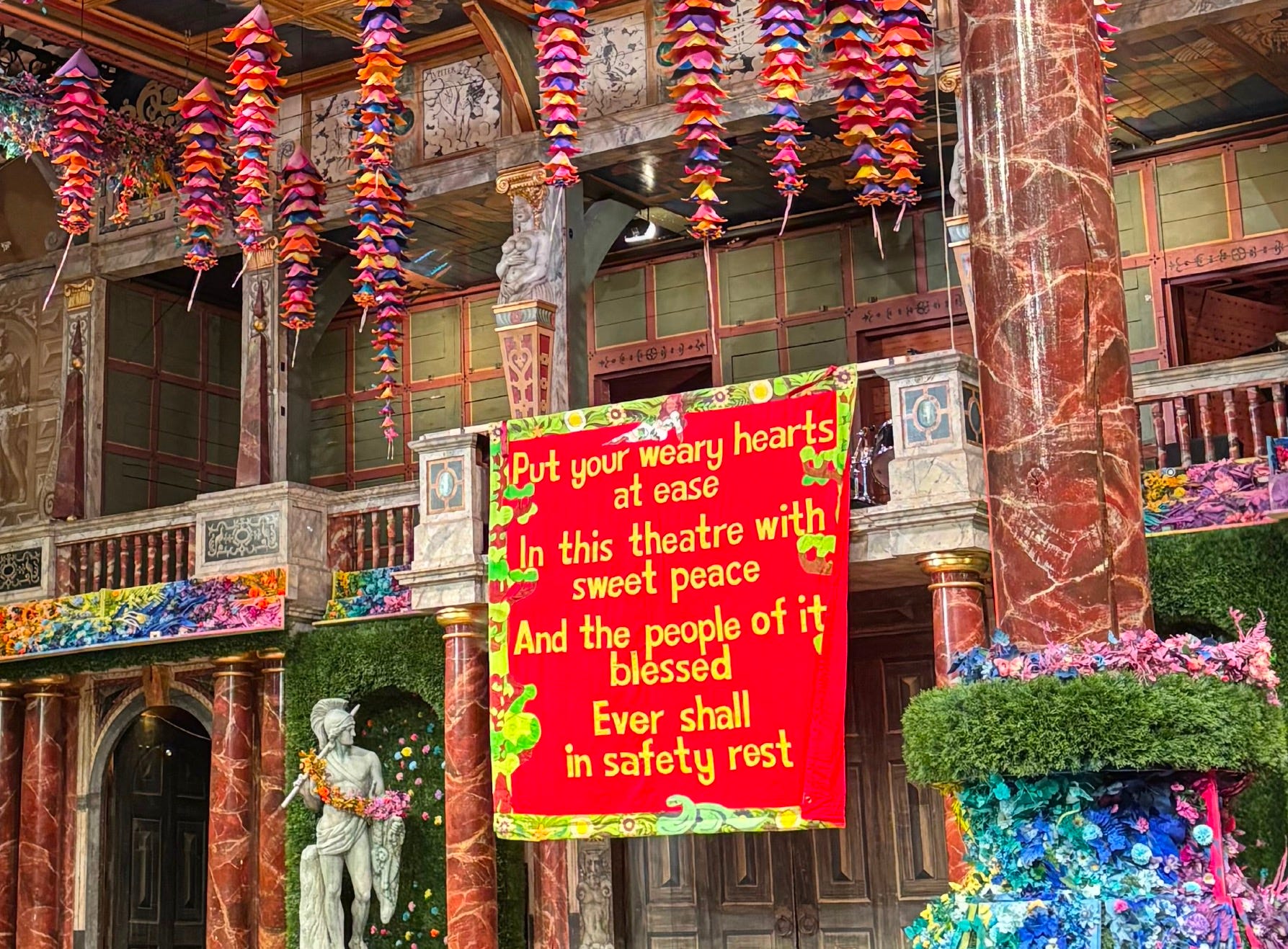
Thank you for reading this protracted exploration of my career as a way of understanding this truly once in a lifetime experience.
I have more to reflect on from this trip, and hope to share it with you very soon.
Much love, always,
Jess
Life opens up to us in such mysterious ways. This is a beautiful record of what the ancients called 'fate' or 'destiny,' and Jung might have understood as the universe speaking to us, collaborating in our existence. It's the signs and serendipities that guide us onwards. Long may the world speak to you in these ways.